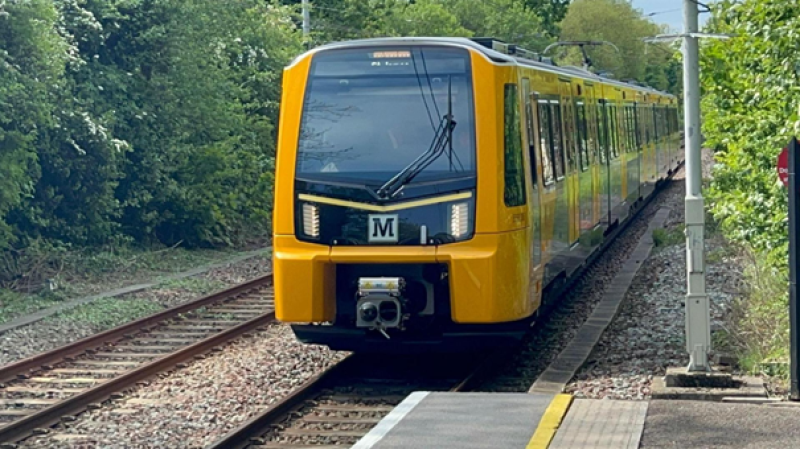
Public transport plays a crucial role in urban mobility, reducing congestion, lowering emissions, and connecting communities. Yet, despite its environmental and societal benefits, many people hesitate to use public transport systems such as buses, trains, underground networks, and trams. Understanding why people use and avoid public transport, and exploring what can be done to improve the experience, reveals opportunities for transformative change.
In his book Alchemy, Rory Sutherland challenges conventional thinking about public transport by suggesting that passenger priorities are misunderstood by planners. He argues that enhancing the experience of public transport, rather than solely focusing on speed, could be the key to attracting more passengers.
Why People Use Public Transport
Cost-Effectiveness - Public transport can be cheaper than owning and operating a private vehicle, especially in urban areas. The elimination of fuel, maintenance, and parking costs makes it an attractive option for many commuters.
- Environmental Concerns - With growing awareness of climate change, many people choose public transport as a way to reduce their carbon footprint. Trains, buses, and trams generally produce fewer emissions per passenger than cars.
- Convenience in Dense Areas - In cities, public transport often provides the most efficient way to navigate congested streets and limited parking. For daily commuters, it is often the fastest and most predictable choice.
- Productive Commute - Many people use public transport as an opportunity to work, read, or relax. The availability of tables, Wi-Fi, and quiet zones makes this increasingly possible on modern systems.
Why People Avoid Public Transport
Unpredictability and Delays - Passengers value reliability over speed. Arriving on time and having confidence in the schedule are more important than shaving a few minutes off the journey. Delays, cancellations, and inconsistent timetables undermine trust in public systems.
- Comfort and Cleanliness - Public transport can sometimes be uncomfortable or unpleasant. Overcrowding, lack of cleanliness, broken amenities, and noisy or disruptive passengers are significant deterrents.
- Cost Issues - For some routes, particularly peak-time train travel in the UK, public transport can be prohibitively expensive. In some cases, flying or driving may be cheaper alternatives.
- Perceived Inconvenience - Multiple transfers, indirect routes, and limited coverage in rural or suburban areas can make public transport seem less practical than driving.
- Safety Concerns - Personal safety, especially during late-night travel, is a consideration for many passengers. Poorly lit stations, drunk or unruly passengers, and inadequate security measures can discourage use.
Rethinking Public Transport: Rory Sutherland’s Perspective
Sutherland’s critique of traditional transport planning highlights the gap between what passengers value and what planners prioritize. He uses the example of a proposed high-speed rail project between London and Manchester to illustrate his point. Rather than spending billions to cut travel time by 20-30 minutes, he suggests investing a fraction of the cost to improve the passenger experience:
- Comfortable Seats: Ergonomic seating could make even long journeys enjoyable.
- Excellent Wi-Fi: Reliable internet access allows passengers to work, browse, or stream content seamlessly.
- Work-Friendly Tables: Offering space to work or dine would cater to professionals and leisure travellers alike.
Sutherland also emphasizes the importance of certainty over speed. Passengers prioritize knowing when they will arrive over how quickly they can get there. The difference between a two-hour journey and a two-hour-and-twenty-minute journey is often negligible if the arrival time is predictable and the travel experience is pleasant.
The Passenger Experience: What Matters Most?
Cleanliness and Maintenance - Clean trains, buses, and stations are non-negotiable. Dirty environments can ruin the travel experience and deter passengers.
- Safety and Security - Ensuring well-lit stations, visible staff presence, and clear protocols for handling unruly passengers are essential for fostering trust.
- Seating and Space - Overcrowding leads to frustration. Providing adequate seating and personal space, even during peak hours, is critical.
- Onboard Comforts - Amenities such as air conditioning, quiet zones, charging points, and clean restrooms significantly enhance the journey.
- Cost Fairness - High prices, especially for peak-time travel, deter many potential users. Affordable pricing structures, possibly subsidized by governments, could make public transport a more viable choice.
The Role of Costs
One glaring issue is the cost of public transport, particularly in the UK. Peak-time train fares, especially into London, are so high that alternatives like flying or driving can seem more economical. Addressing this imbalance is vital. While air travel may be artificially cheap due to tax structures, public transport needs to be competitive in terms of value for money.
Encouraging Public Transport Use
To attract more passengers, public transport must address both practical and emotional barriers. Planners should prioritize reliability, comfort, and affordability over sheer speed. Investments in infrastructure should focus on making journeys enjoyable rather than simply faster.
If passengers can work, relax, or simply enjoy the journey, they are less likely to mind a slightly longer trip. By rethinking priorities, as Sutherland suggests, public transport could become a more attractive option for everyone—leading to fewer cars on the road, lower emissions, and a better-connected society.
Public transport isn’t just about getting from A to B. It’s about how you feel on the journey—and that’s where the true transformation lies.
 Tender Response Limited