From Spreadsheets to Smart Systems – Why More Businesses Are Upgrading Their Time & Attendance Processes in 2026
In our previous posts, we looked at the impact of day-one flexible working rights and the hidden costs of poor time tracking. For many businesses across Tyne & Wear, the next question is simple: Are the systems you're using today still fit for purpose?
The way people work has changed dramatically over the last few years. Flexible hours, hybrid working, multiple sites, and changing shift patterns have become the norm for many organisations. Yet some businesses are still managing attendance using paper timesheets, manual clock cards, or spreadsheets that were introduced years ago.
As workforce management becomes more complex, many employers are discovering that traditional methods can no longer keep up.
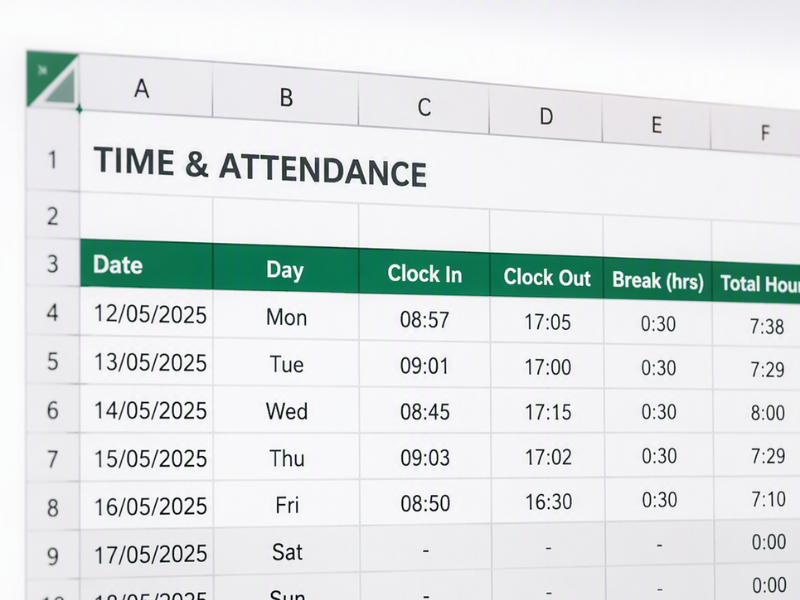
We love a spreadsheet and there's no denying that there is still a huge need for them in business, but for Time and Attendance there are better ways. Spreadsheets is sheets have long been the go-to solution for tracking working hours, holidays, and overtime. They are familiar, inexpensive, and relatively simple to set up. However, as businesses grow, spreadsheets often create more work than they save.
Common challenges include manual data entry, human error, duplicate records, lost or missing information, no real-time visibility, And they are time-consuming payroll preparation. For managers already juggling operational responsibilities, updating attendance records can quickly become another administrative burden.
When Accuracy Matters
In today's workplace, accurate records are more important than ever. Whether managing flexible working requests, monitoring absence trends, calculating overtime, or supporting disciplinary procedures, businesses need confidence that the information they are using is correct. When records are incomplete or inconsistent, employers can face payroll disputes, difficulty enforcing policies fairly, increased administration time, poor management visibility, and challenges demonstrating compliance. Many of these issues only emerge when a problem arises and accurate historic records are needed.
The Move Towards Smart Workforce Management
As a result, more businesses are investing in modern workforce management solutions that automate many of the processes previously handled manually. Instead of relying on end-of-week timesheets or spreadsheet updates, managers can access real-time attendance information whenever they need it.
This means they can quickly see who is on site, who is working remotely, overtime being worked, absence levels, late arrivals and early departures, and holiday bookings and availability. The result is greater visibility and faster decision-making.
Benefits Beyond Attendance
Modern systems do far more than simply record clocking times. Many now integrate with HR records, holiday management, payroll systems, and employee self-service portals. This allows businesses to streamline processes and reduce duplication across departments. For growing businesses in Newcastle, Gateshead, Sunderland and the wider North East, this can have a significant impact on efficiency. Managers spend less time chasing information and more time focusing on customers, staff development, and business growth.
Supporting Future Workplace Changes
Employment legislation continues to evolve, and workforce expectations are changing just as quickly. From flexible working arrangements to increasing requirements around documentation, employers need systems that can adapt alongside their business. The organisations that are best prepared for future change are often those with accurate data, clear processes, and reliable reporting already in place. A smart time and attendance solution provides that foundation.
Final Thought
Spreadsheets have served many businesses well over the years, but workforce management in 2026 requires greater visibility, accuracy, and flexibility. For employers across Tyne & Wear, upgrading from manual processes to a modern time and attendance system is no longer simply a technology decision—it's a business decision. Those who embrace smarter workforce management will not only reduce administration and improve accuracy, but also put themselves in a stronger position to manage future growth and workplace change.
Next in the series: Could You Defend Your Attendance Records? Why Employee Data Matters More Than Ever.
 North East Time Recorders Limited