As global industries strive to decarbonize and transition to net-zero emissions, biofuels have emerged as a promising alternative to fossil fuels, particularly in hard-to-abate sectors like aviation, maritime transport, and heavy road haulage. While biofuels appear to offer a renewable substitute for fossil fuels, a deeper analysis reveals complex challenges that question their role as a sustainable solution.
What Are Biofuels?
Biofuels are renewable fuels derived from biological materials, such as plants and organic waste. They are broadly classified into:
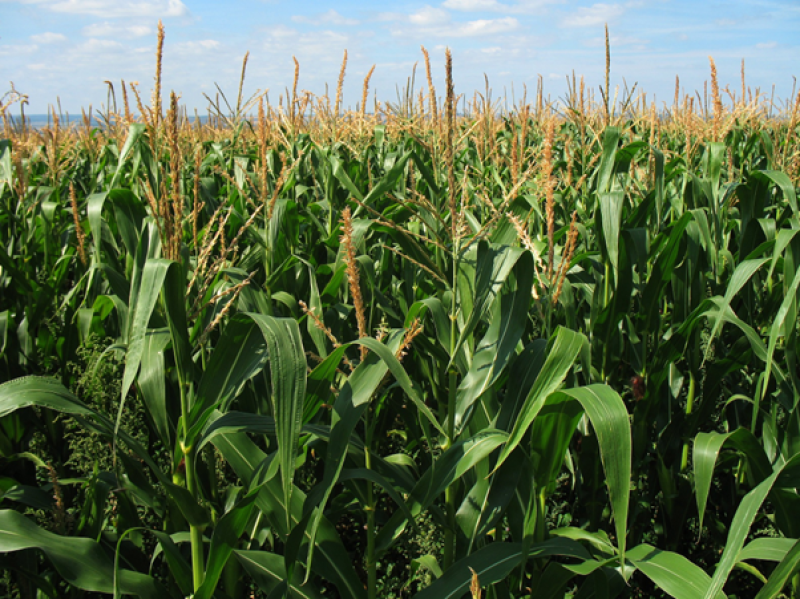
First-generation biofuels: Produced from food crops like corn, sugarcane, and soybeans. Examples include ethanol (from corn and sugarcane) and biodiesel (from vegetable oils).
Second-generation biofuels: Sourced from non-food biomass such as agricultural residues, wood chips, and waste oils.
Third-generation biofuels: Derived from algae and other fast-growing organisms with high oil content.
The Growth and Production Process
Biofuels are often praised for their renewable nature, but their production involves several stages:
- Cultivation: Energy crops must be planted, grown, and harvested. This process can take months to years depending on the crop.
- Processing: Biomass must be converted into usable fuel, requiring energy-intensive processes like fermentation (for ethanol) or transesterification (for biodiesel).
- Distribution: Biofuels need infrastructure for blending, storage, and transportation, similar to fossil fuels.
Land Use and Food Security Concerns
A critical challenge with biofuel production is the competition for land. Large-scale cultivation of bioenergy crops can directly impact food production by displacing farmland used for crops and livestock. This issue is especially concerning in the context of first-generation biofuels that rely on food crops.
To illustrate, replacing conventional jet fuel with biofuels for the global aviation industry would require vast amounts of farmland. According to various studies, producing enough biofuel to meet aviation demand could necessitate converting millions of hectares of agricultural land, severely affecting global food supply chains and driving up food prices.
The Carbon Cycle and Emissions Accounting
Biofuels are considered carbon-neutral in theory because the CO2 released during combustion is offset by the CO2 absorbed during plant growth. However, this concept oversimplifies the carbon accounting:
- Land-Use Change (LUC): Converting forests or grasslands into biofuel crops releases significant amounts of carbon stored in soil and vegetation, potentially negating any emissions savings.
- Growth and Harvest Time: Bioenergy crops take time to grow and sequester carbon, delaying the carbon offset. Trees, for example, may take decades to mature.
- Production Emissions: Energy used in farming, processing, and transporting biofuels can contribute to Scope 1 and Scope 3 emissions, reducing their overall carbon benefit.
Energy Intensity of Biofuel Production
Transforming biomass into usable fuel is energy-intensive. Processing methods consume substantial amounts of water, fertilizer, and energy, often derived from fossil fuels. This energy input can offset the environmental benefits biofuels are intended to deliver. For aviation, sustainable aviation fuels (SAFs) must meet stringent energy density requirements, further complicating production and scalability.
Scaling Biofuels for Aviation: A Feasibility Check
Aviation is frequently cited as a sector where biofuels could play a pivotal role in decarbonization. However, the sheer scale of fuel consumption in aviation presents a daunting challenge. To meet current global aviation fuel demand with biofuels:
- Land Area: It would require dedicating enormous areas of farmland, potentially equivalent to entire countries, for energy crop production.
- Food Security: This scale of land conversion would have direct repercussions on global food production, contributing to food scarcity and price volatility.
- Production Limits: Current biofuel production technologies cannot scale up rapidly or efficiently enough to replace fossil fuels in aviation.
Alternative Strategies for Decarbonizing Aviation
Given these constraints, focusing solely on biofuels is neither practical nor sustainable for aviation and similar sectors. A multi-faceted approach is necessary:
- More Efficient Engines: Investing in next-generation engine technologies can improve fuel efficiency and reduce emissions per flight.
- Operational Efficiency: Optimizing flight routes, reducing weight, and improving air traffic management can lower fuel consumption.
- Demand Management: Governments could implement measures such as carbon taxes or even flight rationing to discourage excessive air travel.
- Behavioural Change: Encouraging individuals and businesses to voluntarily reduce air travel could have a significant impact.
- Alternative Fuels and Technologies: Exploring synthetic fuels, hydrogen-powered aircraft, and electric aviation for short-haul flights.
Broader Implications for Other Sectors
The limitations of biofuels are not unique to aviation. Similar challenges exist in other transportation sectors:
- Cruise Industry: Cruise ships are energy-intensive, and biofuels would require substantial volumes, leading to the same land-use and scalability issues.
- Road Transport: Electrification is emerging as a more viable solution for passenger vehicles and short-haul freight than biofuels.
- Long-Haul Freight: Hydrogen and synthetic fuels could offer more scalable, sustainable alternatives to biofuels for heavy-duty transport.
Conclusion
While biofuels offer a renewable alternative to fossil fuels, their role in decarbonizing sectors like aviation must be carefully evaluated. The environmental costs of land-use change, competition with food production, and energy-intensive processing undermine their potential benefits.
A balanced strategy combining technological innovation, regulatory frameworks, and behavioural change is essential to achieving meaningful carbon reductions. Rather than relying on biofuels alone, industries must embrace diverse, scalable solutions to transition toward a truly sustainable future.
While You Are Here...
Or demonstrate your business is environmentally and socially responsible, with the
CSR Accreditation.
 Tender Response Limited