Managing time and attendance is a essential for small businesses in the UK. We've pulled together a summary of various clocking-in systems available, from traditional manual methods to modern digital solutions, and how they can benefit small businesses.
Manual Clocking-In Systems
Manual systems, such as timecards or sign-in sheets, are straightforward and cost-effective. However, they can be prone to human error and time theft. Despite these drawbacks, they remain a viable option for very small businesses with limited budgets.
Digital Clocking-In Systems
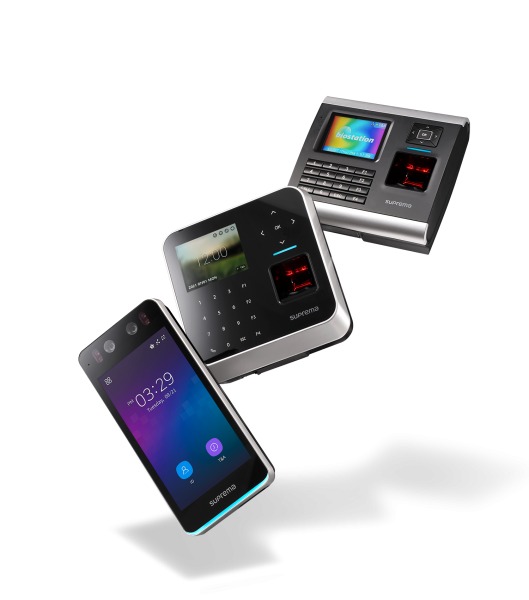
Digital systems offer a range of features that can streamline timekeeping. These include biometric scanners, RFID swipe cards, and mobile apps. Biometric systems, which use fingerprints or facial recognition, provide a high level of security and accuracy. Swipe cards and mobile apps are convenient and can integrate with payroll software, reducing administrative tasks.
Benefits of Accurate Timekeeping
Accurate timekeeping is essential for ensuring employees are paid fairly and on time. It helps reduce payroll errors and disputes, which can improve employee satisfaction and trust. Additionally, it ensures compliance with working time regulations, protecting businesses from potential fines and legal issues.
Choosing the Right System
Selecting the right clocking-in system depends on the specific needs and budget of the business. Factors to consider include the number of employees, the level of security required, and the integration with existing systems. By investing in a suitable clocking-in system, small businesses can enhance efficiency, reduce administrative burdens, and create a positive work environment.
For more information we're always happy to have a free no obligation chat with you, or you can check out the blog section of our website for more articles like this one.
 Quidos Cleaning Services Ltd